A return to Kauda, a return to war

It’s been a little over a year since I was last in Kauda, a small village nestled in Sudan’s Nuba mountains. I must admit, I was surprised to be back.

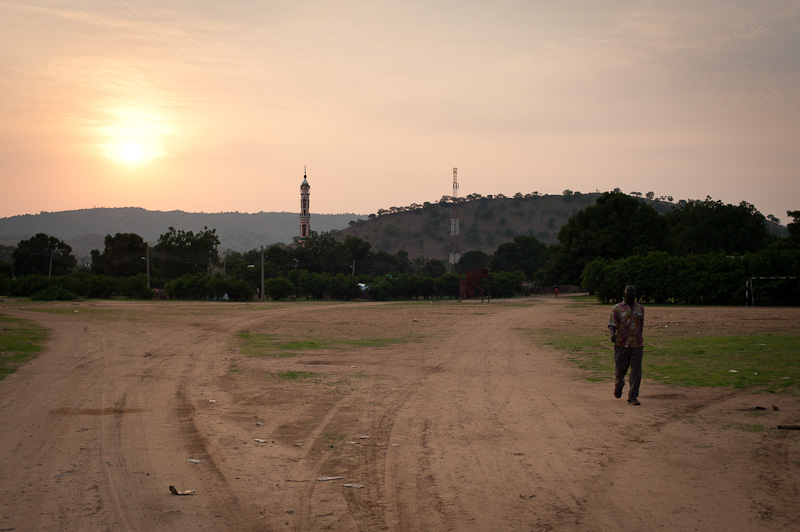
The intrigue that brought me here on my last trip was that it was the base of the Sudan People’s Liberation Army during the north-south civil war. When I visited last year after a gruelling journey by 4x4, signs of that past were few; peace had been signed in 2005, and Kauda was a remote market village, bustling with its few inhabitants. Some hillsides were off-limits: mines still lay in the earth. But people were moving on from the war.

Coming back now, it has largely emptied. Many of the village’s inhabitants have fled to the hills, fearing the bombs that have rained down in the past few weeks, putting the airstrip out of action.

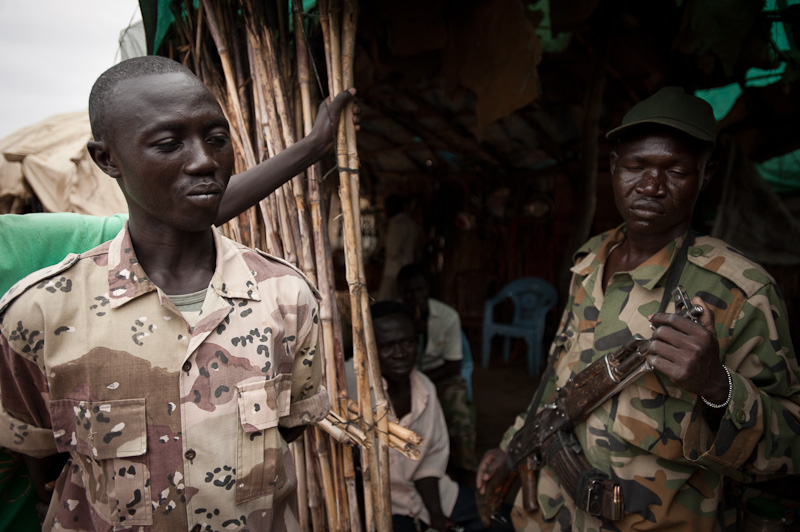
Fighters that had gone through a disarmament campaign are now donning their uniforms once more, saying that they are ready to fight and waiting to be called-up. “I don’t think peace will ever happen again with these people [the Khartoum government]”, one tells me, standing outside a local coffee shop.

The few aid groups that are still working here have dug bomb-holes around their compounds, into which they jump at the sound of an aeroplane.

Meanwhile, the fertile, arable land remains largely unplanted. In the coming months, if things don’t change, food shortages will be acute, and devastating.
Arriving in the Nuba Mountains

It’s hard to get to the Nuba mountains right now. It’s even harder to get out.

Sudanese Armed Forces’ (SAF) Antonov planes have been bombing the area for weeks. Reports of ethnic cleansing have been seeping out of the provincial capital, Kadugli; the UN peace-keepers there seemingly having done nothing to protect the people of South Kordofan. Aid groups have been banned, and journalists forbidden from going there; Al-Jazeera bravely tried, but were stopped. A few Nuba have escaped it to Juba, where colleagues have interviewed them—gathering eye-witness reports—and written their stories.

It started back in May when Ahmed Haroun—wanted by the International Criminal Court for charges of war crimes committed in Darfur—won the provincial elections. The Nuba, the majority people there, claim that the vote was rigged, and that their own candidate, Abdulaziz Al-Hilu, had won. SAF forces moved into the region to disarm Al-Hilu’s followers.

Within half an hour of arriving, we heard the sound of bombs detonating and the whining of a plane overhead. The vehicles hid under the cover of trees, their bodywork smeared with diesel and mud to camoflage them in the bush. And a line of people walked, bags in hand, trying to find a way out.

A return to war?

The vast, green grasslands stretch across the impossibly flat plains, a few hazy trees pockmarking the stretched horizon. Every now and then, a small pocket of tokuls, the traditional Sudanese mud and thatched huts, pop-up alongside the dirt road that leads to Pariang, at the heart of ...