Celebrity Spotting in Juba

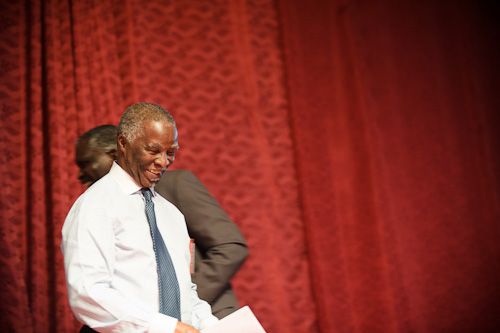
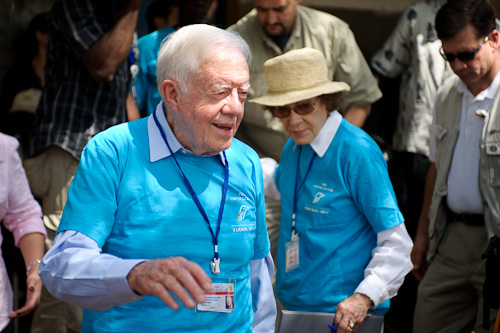
The media spot-light was on Juba, the soon-to-be capital of a new state if the banners announcing secession are to be believed. And with it came former presidents, high-profile, media-savvy campaigners and a film-star (who ended up with malaria).

A few journalist friends were embroiled with PR representatives, finding out if, and when, Jimmy Carter was visiting the polling stations as part of his role as electoral observer. If, and when, Mr. Clooney would be holding a press conference (NGO workers hanging around his hotel, hoping to get a tipsy snap with him).

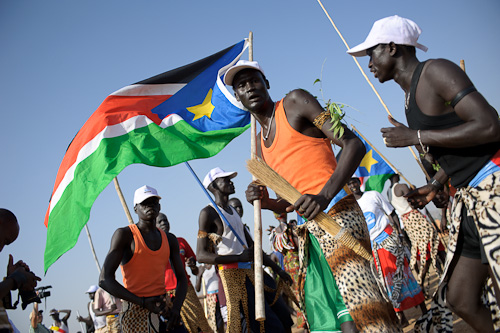
The Colour of Southern Sudan

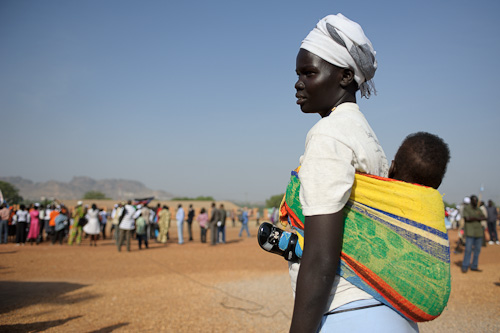
This was their day, and they celebrated.

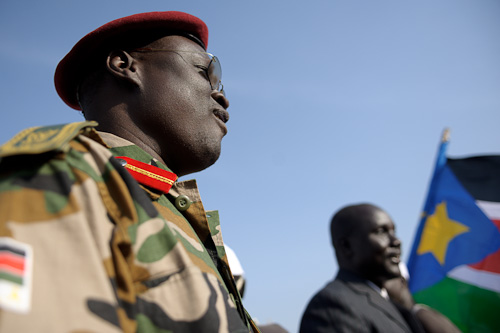
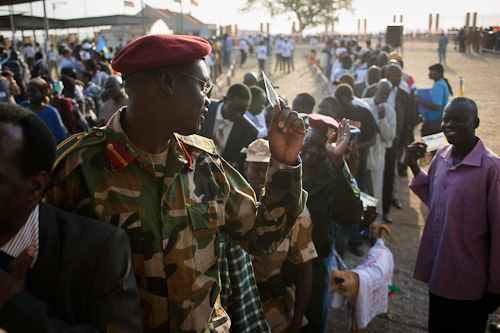
The result of the referendum is already known. All anybody is talking about is secession. The act of voting is an act of independence. It was met with music, dance and smiles. And a lot of exhausted journalists.

South Sudan Votes

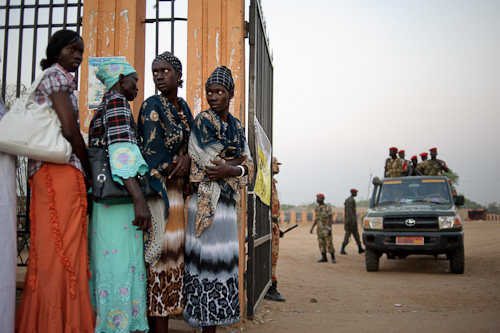
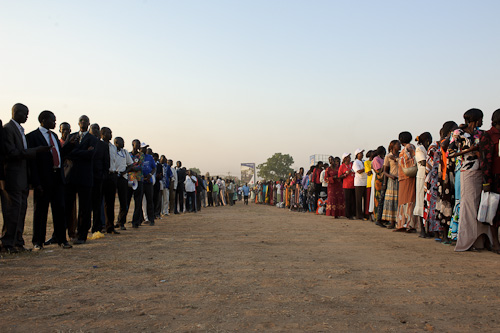
Some never believed that this day would come. But today it had arrived, and the citizens of southern Sudan met it en-masse, clutching their laminated voter registration cards. People had queued for hours, lines having formed since before sunrise on this historic day, the 9th January 2011, the day prescribed in the peace agreement of 2005 decreeing southern Sudan’s right to self-determination.

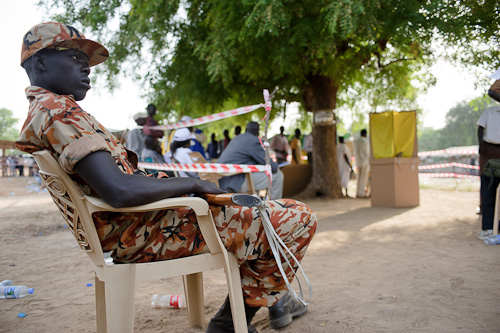
The voting process was laborious, taking up to seven minutes per voter. Protocol was followed; nobody wanted to risk arriving at this moment and giving anyone any cause to question its undertaking.

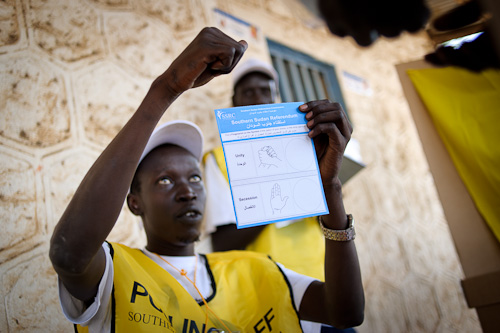
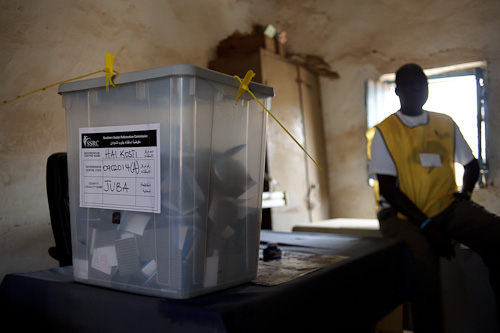
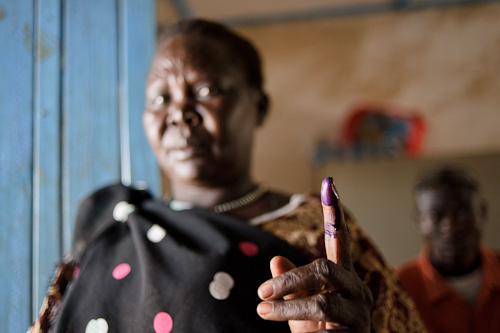
Voters showed their registration card, checked their name from a list and impressing a finger-print on the form, then receiving their ballot paper. Walking to the cardboard voting booths, a yellow curtain guarded their privacy (although nobody spoke of anything but secession), and then the slip was meticulously folded and cast in the plastic urns. Finally, their finger dipped in purple ink, they left.

In one voting station in Juba, elderly women ululated as they walked away from their cast ballot, the queues never failing to applaud these people whose lives had existed through decades of civil war.

The Final Walk

Many said they had waited their whole lives for this moment, the “final walk to freedom”. South Sudan has been embroiled by two civil wars since independence in 1956, with just over a decade of respite. It ended in 2005 with a peace agreement, which defined January 9th 2011 as the day of self-determination. Even until several weeks ago, many doubted that this day would actually arrive.

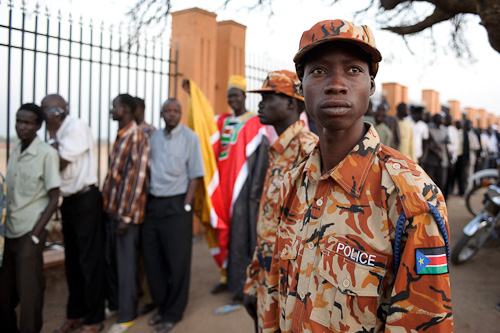
At the John Garang mausoleum in Juba, the future-capital’s main polling station, queues had already formed at sunrise, full of people ready to cast their ballot for secession. This was the day they had been waiting for.

Food for the South's Returnees

Food for the South’s Returnees

With Southern Sudan on the brink of becoming the world’s newest nation—indicators pointing to southerners choosing independence from the North in the forthcoming referendum—many people have returned to the…

Food for the South’s Returnees

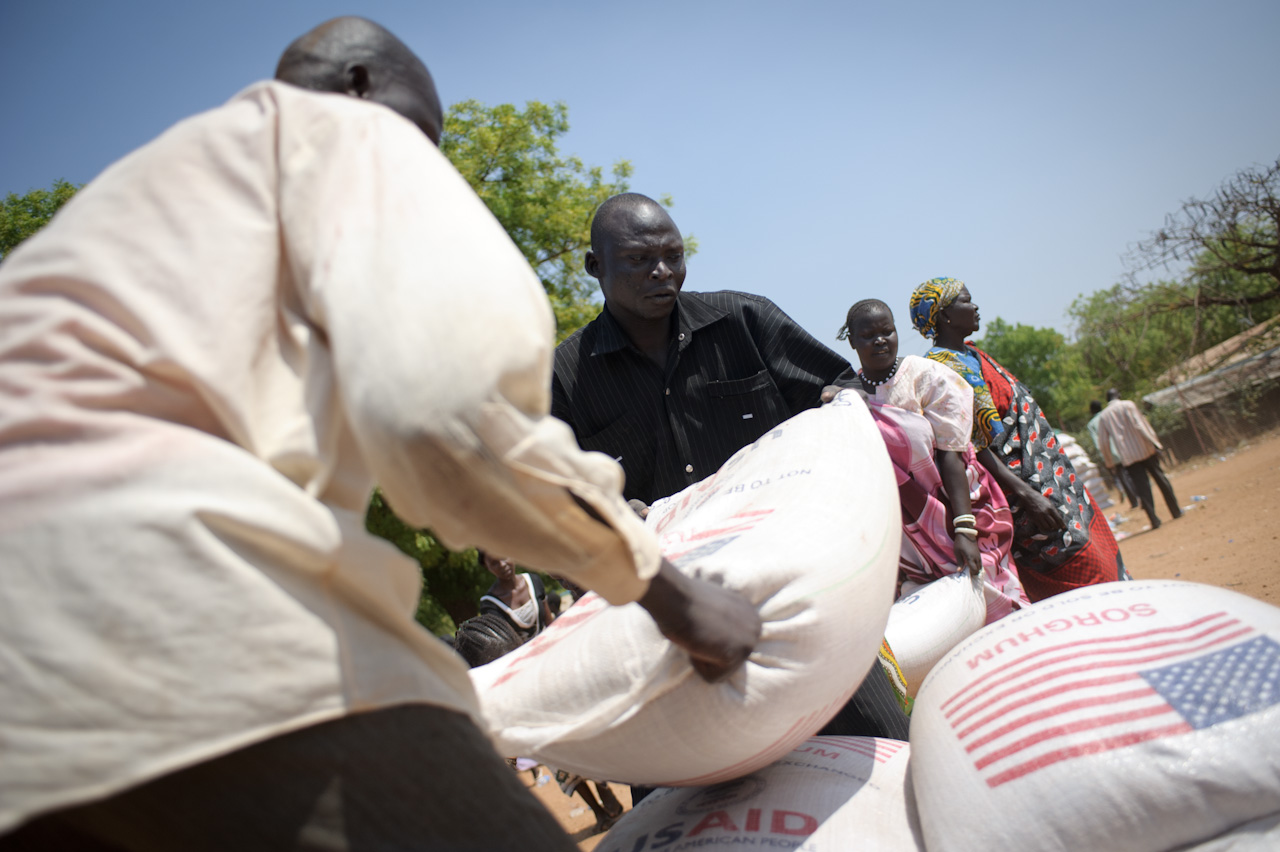
With Southern Sudan on the brink of becoming the world’s newest nation—indicators pointing to southerners choosing independence from the North in the forthcoming referendum—many people have returned to the South with high hopes of a new life. The UN has recorded around 120,000 returnees since late October, many of whom are arriving at Juba’s port before being transferred to their homelands. For many, though, it is Juba where they will settle, reunited with their families in the Southern capital.

The World Food Programme is providing assistance to around 100,000 of the returnees, who have come with little or no financial means to carve out a new life as this new nation takes form. Returnees are given three months of food assistance, with help to households in the shape of lentils, sorghum, salt and cooking oil. Focus is on feeding people who arrive at their final destination, settling with their families, encouraging them to begin growing their own food in the South’s fertile soils. For those stuck in transit, emergency food relief has also been provided.

Here in Juba, 3199 people in the district of Buluk today received their second monthly ration, the majority having arrived on the 17th and 18th December 2010 after years in the North. With further distribution to 811 people tomorrow, this will be the final food distribution in Juba before the start of voting on Sunday, 9th January, where Southerners will decide between unity with Northern Sudan, or secession.

» More images from the food distribution, starting here.